Owning a home means managing dozens of interconnected systems that age, wear down, and occasionally fail. While many homeowners approach repairs reactively, addressing problems only after something breaks, this mindset often leads to higher costs, unnecessary stress, and avoidable damage. Water intrusion, energy loss, and structural deterioration rarely begin with dramatic failures. Instead, they start with small, overlooked issues that quietly compound over time.
A more effective approach is to understand how exterior and interior components influence one another and to plan repairs strategically rather than emotionally. When you know what to look for, what to prioritize, and how to sequence projects, you gain control over both your budget and your home’s long-term condition.
This guide is designed to help homeowners make informed, confident decisions about maintaining and repairing their property. By breaking down major systems and offering practical management strategies, you’ll learn how to prevent emergencies, extend the life of key components, and protect the comfort and value of your home.
Too often, homeowners view repairs as isolated problems rather than part of a larger system. A leak is fixed, but the underlying moisture issue remains. A component is replaced, but the surrounding materials are already compromised. This piecemeal approach can create a cycle of repeated repairs that never fully address root causes. Understanding how systems interact allows you to resolve problems more completely and avoid paying twice for the same issue.
Equally important is learning how to evaluate timing. Not every repair needs immediate action, but delaying the wrong one can multiply costs quickly. Knowing how to distinguish between cosmetic concerns, maintenance needs, and structural risks helps homeowners make smarter decisions under less pressure.
Whether you are maintaining a newer property or managing an older home, the principles in this guide are meant to help you think ahead, reduce surprises, and take a more organized, confident approach to home care-one that supports both daily living and long-term investment goals.
Creating a Whole-Home Repair Prioritization System
A smart repair strategy begins outside. The condition of your yard, drainage, and underground systems plays a critical role in preventing damage to the rest of the home.
Consistent outdoor upkeep does more than improve curb appeal. Soil erosion, compacted ground, and poor water flow can all place stress on foundations and buried lines. In many cases, working with a professional lawn care service helps ensure that grading, vegetation, and drainage patterns support the structure rather than undermine it. Overgrown roots, uneven ground, and clogged runoff paths are common contributors to moisture problems that later appear inside the home.
Seasonal changes can quickly alter outdoor conditions, especially after heavy rain, freezing temperatures, or prolonged drought. Shifting soil and poor drainage increase the risk of water migrating toward the foundation, where it can seep into basements or crawl spaces. These issues often go unnoticed until interior damage becomes visible.
Equally important is understanding what’s happening below ground. Septic systems, where present, require periodic monitoring and maintenance. A neglected local septic service issue can quietly cause slow drains, foul odors, or soggy areas in the yard long before a major failure occurs. Early detection allows homeowners to address problems while they are still manageable.
Actionable steps homeowners can take include:
- Walking the property after heavy rain to observe pooling or runoff issues
- Keeping grass, shrubs, and tree roots trimmed away from foundations
- Scheduling routine inspections of underground systems before problems escalate
- Maintaining a written log of outdoor maintenance activities and observations
When exterior systems are managed intentionally, interior repairs become less frequent and far more predictable.
Protecting the Roof Before Interior Damage Occurs
The roof is one of the most critical protective barriers of the home, yet it is often ignored until visible leaks appear. By the time water reaches the ceiling or walls, damage has usually spread far beyond the initial entry point.
Experienced roofing companies often stress that many interior repair issues originate from minor exterior failures. Loose shingles, compromised flashing, or deteriorated sealants allow water to infiltrate slowly. Over time, this moisture damages insulation, weakens framing, and encourages mold growth, all of which are far more expensive to address than early repairs.
Weather exposure accelerates roof wear in ways that are not always visible from the ground. Temperature fluctuations cause materials to expand and contract, gradually loosening fasteners and sealants. Wind-driven rain can exploit even small vulnerabilities, directing moisture into hidden areas where it can remain undetected for months.
In some cases, homeowners can avoid large-scale work through timely local roofing repair. Spot repairs performed early can significantly extend the life of a roof and prevent collateral damage throughout the home. Addressing these issues promptly also helps preserve warranties and reduces the likelihood of interior restoration work later.
To manage roof-related risks effectively:
- Conduct visual inspections from the ground at least twice a year
- Check attic spaces for moisture stains or unusual odors
- Address missing or damaged materials immediately
- Avoid delaying repairs during “temporary” dry periods
Treating the roof as a proactive maintenance priority rather than a reactive expense is one of the most effective ways to protect the entire structure.
Managing Plumbing Issues Without Overcorrecting
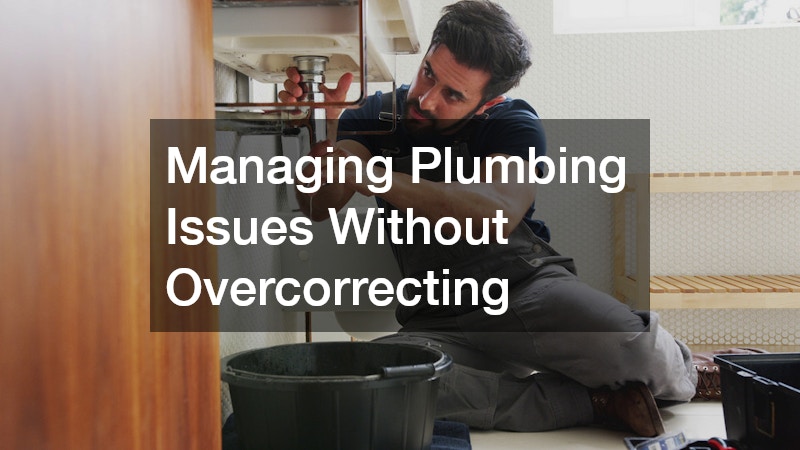
Plumbing problems range from minor inconveniences to major structural threats, and knowing the difference is essential. Overreacting can waste money, while underreacting can result in extensive water damage.
A qualified plumber can help diagnose whether an issue stems from aging materials, usage patterns, or hidden failures. Many leaks and pressure problems begin subtly, presenting as occasional drips, slow drains, or inconsistent water temperature.
Left unaddressed, these early warning signs can gradually weaken surrounding materials, encouraging mold growth and compromising structural components. Water damage often spreads beyond the visible source, affecting subfloors, wall cavities, and insulation before it is discovered. This is why even minor symptoms should be evaluated rather than dismissed.
Comprehensive plumbing services are most effective when used preventively rather than during emergencies. Routine inspections can identify corrosion, mineral buildup, or failing connections before they compromise walls, floors, or cabinetry. Preventive maintenance also allows homeowners to plan repairs strategically, avoiding the higher costs and disruption associated with urgent fixes.
Homeowners can reduce risk by:
- Monitoring water bills for unexplained increases
- Inspecting visible pipes for corrosion or moisture
- Addressing slow drains promptly rather than relying on chemical cleaners
- Scheduling periodic system checkups even when no major issues are present
By understanding how plumbing systems age and fail, homeowners can make measured decisions that balance cost, urgency, and long-term reliability.
Planning Water Heater Upgrades Before Emergencies
Water heaters are often overlooked until they stop working entirely. Unfortunately, failure rarely occurs without collateral damage. Leaking tanks can flood utility rooms, ruin flooring, and damage nearby systems.
Planning for hot water heater installation before failure allows homeowners to control timing, costs, and system selection. Performance decline often appears gradually, through inconsistent temperatures, reduced capacity, or unusual noises.
Waiting too long to act can turn a manageable upgrade into an emergency replacement, often requiring rushed decisions and higher labor costs. Proactive planning gives homeowners time to research options, compare efficiency ratings, and schedule installation at a convenient time. It also reduces the risk of sudden water damage that can impact surrounding finishes and adjacent systems.
When evaluating replacement options, homeowners should consider:
- Household size and peak usage demands
- Energy efficiency ratings and long-term operating costs
- Available space and ventilation requirements
- Compatibility with existing plumbing and electrical systems
Strategically coordinating water heater replacement with other interior upgrades can also reduce labor costs and downtime. Proactive planning transforms an urgent crisis into a manageable improvement project.
Maintaining Comfort Systems for Year-Round Reliability
Heating and cooling systems are among the most complex and expensive components of a home. When neglected, they become inefficient, unreliable, and costly to repair.
Regular heating and cooling services help ensure systems operate safely and efficiently throughout the year. Dust buildup, worn components, and airflow restrictions all place unnecessary strain on equipment, shortening its lifespan.
Seasonal maintenance is especially important before periods of heavy use, such as extreme heat or cold. Small issues that go unaddressed can quickly worsen under increased demand, leading to breakdowns when systems are needed most. Preventive care reduces the likelihood of emergency repairs and helps maintain consistent indoor comfort.
Working with experienced HVAC contractors allows homeowners to address issues before they escalate into system-wide failures. These professionals can also identify efficiency losses that may not be immediately noticeable but significantly impact energy bills.
Between professional visits, homeowners can support system health by:
- Replacing filters on a consistent schedule
- Keeping vents unobstructed and clean
- Monitoring thermostat performance and settings
- Scheduling seasonal inspections before peak usage periods
Comfort systems function best when treated as long-term investments rather than short-term utilities.
Protecting the Home’s Exterior Envelope
The exterior shell of the home serves as the first line of defense against weather, moisture, and temperature extremes. When this barrier is compromised, interior systems are inevitably affected.
Damage to siding often begins subtly, through cracks, warping, or loose panels. These openings allow water and air infiltration that undermines insulation and framing. Consulting a qualified siding contractor early can prevent moisture intrusion from spreading into walls and interior finishes.
Seasonal weather changes, sun exposure, and wind-driven rain all accelerate exterior wear, especially in areas where materials meet or overlap. Small defects that appear harmless can quickly expand if ignored, leading to rot, mold growth, and reduced energy efficiency. Regular visual inspections help homeowners catch these issues before they affect interior comfort or structural stability.
Homeowners should routinely inspect exterior surfaces for:
- Visible gaps or separation at seams
- Discoloration or bubbling paint
- Soft spots or warping after storms
- Signs of pest activity or moisture retention
Coordinating exterior repairs with roofing, window, or insulation projects can minimize redundancy and reduce overall costs. A well-maintained exterior envelope protects every system inside the home.
Coordinating Multiple Repairs Without Disruption
One of the most common homeowner mistakes is treating repairs as isolated events. In reality, most systems are interconnected, and addressing them in the wrong order can result in wasted time and money.
Effective coordination begins with understanding dependencies. Exterior issues should typically be resolved before interior finishes are repaired. Structural and moisture-related problems should always take priority over cosmetic upgrades.
Helpful coordination strategies include:
- Creating a master repair list organized by urgency and dependency
- Grouping compatible projects to reduce repeated labor
- Communicating timelines clearly with all service providers
- Keeping detailed records of repairs, warranties, and inspections
Homeowners should also consider how access and timing affect daily routines. Scheduling disruptive work together, such as projects that require power shutoffs or restricted room access, can minimize inconvenience and shorten overall repair timelines. Reviewing plans with all involved professionals before work begins helps prevent conflicts, delays, and unexpected costs.
By managing repairs holistically, homeowners can reduce disruption, avoid rework, and maintain consistent progress toward a healthier home.
Managing exterior and interior repairs doesn’t require constant vigilance, but it does require intention. Homes deteriorate gradually, not suddenly, and the most expensive problems are often the result of small issues left unaddressed for too long.
By understanding how different systems interact and by prioritizing preventive care, homeowners can shift from a reactive mindset to a strategic one. This approach not only protects property value but also improves comfort, safety, and peace of mind.
When repairs are planned thoughtfully and executed at the right time, homeownership becomes far less stressful and far more rewarding. Instead of reacting to emergencies, homeowners gain the ability to anticipate needs, budget more effectively, and make decisions based on long-term outcomes rather than immediate pressure. This clarity reduces emotional stress and helps avoid rushed choices that often lead to overspending or incomplete solutions.
Over time, a proactive repair strategy also builds familiarity with the home itself. Homeowners who regularly assess conditions, track maintenance history, and understand system lifespans are better equipped to communicate with professionals and evaluate recommendations confidently. This knowledge empowers better decision-making and reduces the risk of unnecessary repairs or premature replacements.
Ultimately, a well-maintained home is not just about preserving materials and systems-it’s about creating a reliable, comfortable environment that supports everyday life. By investing time in thoughtful planning and consistent care, homeowners can extend the life of their property, minimize disruptions, and enjoy the long-term benefits of a home that works as it should.