
Moving into a new home is an exciting milestone. Whether you are upgrading to a larger space, relocating to a new city, or purchasing your first property, the experience often comes with a mix of excitement and responsibility. Packing boxes, coordinating schedules, and settling into unfamiliar surroundings can make the process feel overwhelming. While many homeowners focus on major tasks such as unpacking furniture and organizing rooms, smaller but important responsibilities can easily slip through the cracks.
A new home presents an opportunity to establish routines, improve safety, and take care of maintenance tasks that may have been overlooked by the previous owners. Addressing these items early can help homeowners avoid unexpected problems and protect the long-term condition of the property. From checking mechanical systems to improving security and preparing the outdoor space, there are many details worth considering during the first few weeks after moving in.
This article highlights several commonly forgotten tasks that homeowners should keep in mind after settling into a new house. By reviewing these areas carefully, homeowners can create a more comfortable living environment while reducing the likelihood of costly repairs or inconveniences later on.

Changing Locks and Updating Home Security
One of the most commonly overlooked steps when moving into a new house involves updating the home’s security. Even if the previous owner provided all available keys, there is no way to know how many duplicates may still exist. Real estate agents, contractors, cleaners, and previous tenants may have had access to the property at some point.
Changing the locks shortly after moving in provides peace of mind and establishes clear control over who has access to the home. Many homeowners choose to replace traditional locks with modern deadbolts or smart lock systems that allow for keypad entry and remote access. These upgrades can make it easier to manage security while providing additional convenience for family members.
Security improvements can also include checking outdoor lighting, installing motion sensors, and evaluating entry points such as basement doors or side entrances. Homes with garages should also have their garage door openers reset to remove old access codes. These small updates help create a safer living environment while allowing homeowners to feel confident about their new space.
Inspecting the Roof and Gutters
The roof is one of the most important structural components of a home, yet it is often overlooked during the excitement of moving in. While a home inspection may have evaluated the roof before purchase, it is still beneficial to perform a follow-up inspection once the property officially changes hands.
Homeowners should examine the condition of shingles, flashing, and gutters to identify any early signs of wear. Loose shingles, clogged gutters, or damaged flashing can eventually lead to water leaks that affect ceilings, walls, and insulation. Addressing these concerns early may prevent larger repairs later.
If homeowners notice signs of damage or aging materials, they may choose to consult professionals who provide local roof repair services to evaluate the condition of the roof. These professionals can identify potential issues and recommend maintenance or minor repairs that help extend the lifespan of the roofing system.
Keeping gutters clear is equally important. Leaves and debris can prevent proper drainage, causing water to pool along the roofline or near the foundation. Cleaning gutters and downspouts after moving in helps maintain proper water flow and protects the home from moisture damage.
Improving Energy Efficiency Around Windows
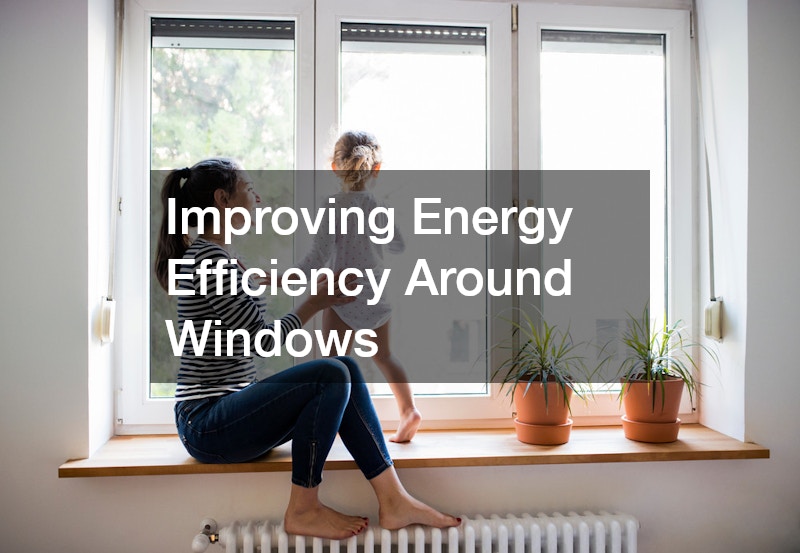
Many homeowners focus on decorating and arranging furniture when settling into a new space, but energy efficiency improvements can be equally valuable. Windows are one of the most common areas where energy loss occurs, especially in older homes that may have single-pane glass or worn seals.
An easy improvement involves applying home window film, which can help reduce heat transfer through the glass. Window film works by reflecting or absorbing portions of sunlight, helping to maintain a more consistent indoor temperature. This upgrade can improve comfort while potentially lowering heating and cooling costs.
In addition to window film, homeowners may also inspect weatherstripping and caulking around window frames. Small gaps can allow drafts to enter the home, which may cause HVAC systems to work harder than necessary. Sealing these areas is a simple way to improve energy efficiency while enhancing indoor comfort throughout the year.
Cleaning the Exterior of the Property
The outside appearance of a home can quickly improve with basic cleaning and maintenance. After moving in, homeowners may notice dirt, mildew, or algae buildup on siding, driveways, or walkways. These conditions can develop over time due to exposure to weather and environmental factors.
Scheduling power washing for exterior surfaces can remove accumulated grime and restore the appearance of the home. Pressure washing can be used on driveways, patios, decks, fences, and siding to create a cleaner, more welcoming exterior. This process also helps homeowners identify areas that may need repairs or repainting.
Regular exterior cleaning not only improves curb appeal but also helps preserve building materials. Removing dirt and mold buildup can reduce long-term wear on surfaces and prevent staining that may otherwise become difficult to remove.

Planning for Backup Power
Power outages can occur unexpectedly due to storms, equipment failures, or maintenance issues within the electrical grid. While some homeowners assume outages are rare, preparing for them can help protect both comfort and safety.
Installing a backup generator is one option many homeowners consider after moving in. Standby generators can automatically supply electricity during outages, allowing essential systems such as refrigeration, heating, and lighting to continue operating.
Homeowners interested in this type of protection may explore services provided by professional generator installers, who can evaluate the electrical system and recommend equipment that matches the home’s power needs. Proper installation helps the generator operate safely and efficiently while complying with local electrical codes.
Backup power solutions can be particularly helpful in areas where storms frequently cause extended outages. Taking this step early can provide reassurance that the home will remain functional during emergencies.
Checking Water Supply Systems
Not all homes rely on municipal water supplies. In rural or semi-rural areas, many properties depend on private wells to provide water for household use. These systems require regular maintenance and inspection to maintain reliable performance.
After moving into a property with a private well, homeowners may wish to review the condition of the well pump and pressure tank. If water pressure appears inconsistent or unusual noises are heard during operation, the system may require professional evaluation.
Professionals who specialize in well pump repair can inspect the system to determine whether adjustments or component replacements are necessary. Addressing these concerns early can help maintain consistent water pressure and avoid disruptions to daily routines.
Regular water testing is also recommended to verify that the supply remains safe for drinking and household use. These simple checks can provide valuable information about the condition of the well system and help homeowners maintain a dependable water source.
Scheduling Pest Inspections
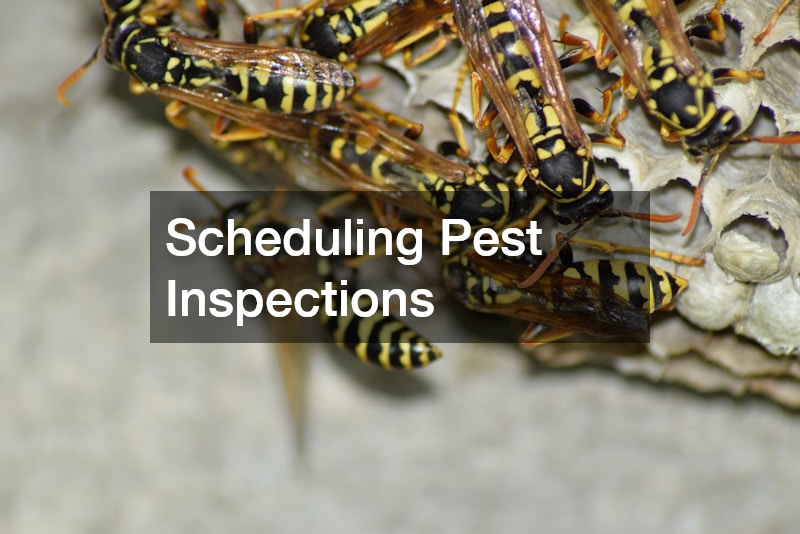
Even well-maintained homes may occasionally attract unwanted pests. Insects and rodents often seek shelter in attics, basements, and crawl spaces, especially during seasonal changes. Because pests can remain hidden for long periods, new homeowners may not immediately notice signs of activity.
Scheduling an inspection with local exterminators soon after moving in can help identify potential issues before they become more serious. Professionals can examine the home for entry points, nests, or evidence of pest activity.
Preventative pest control measures may include sealing small openings around the foundation, installing screens over vents, and removing debris that could attract insects or rodents. Taking these steps early helps protect the home from damage and supports a healthier indoor environment.
Routine pest control services can also reduce the likelihood of infestations in the future. Many homeowners find that periodic inspections provide added reassurance that the property remains well protected.
Reviewing Moving and Storage Needs
The transition into a new home does not always happen all at once. Some homeowners continue relocating belongings over several days or weeks, especially if the move involves long distances or temporary storage arrangements.
Working with a reliable moving company can simplify this process by coordinating transportation, unpacking assistance, and storage services if needed. Professional movers are trained to handle heavy furniture, fragile items, and specialized equipment with care.
Even after the initial move is complete, homeowners may discover that certain items require rearranging or additional assistance. Professional movers can help reposition furniture or transport remaining belongings from storage facilities.
Planning these logistics early helps homeowners focus on settling into their new environment without worrying about transportation challenges or damaged belongings.
Maintaining the Garage Door System
Garage doors are used frequently throughout the week, yet their mechanical components are often overlooked. Springs, cables, tracks, and openers work together to lift and lower the door safely. Over time, these parts may experience wear that affects performance.
After moving into a new home, homeowners may want to observe how the garage door operates during daily use. Unusual noises, slow movement, or uneven alignment may indicate that adjustments are needed.
Scheduling an inspection with a garage door repair service can help identify worn components and address them before they lead to larger mechanical failures. Technicians can lubricate moving parts, adjust tension settings, and test safety features that prevent the door from closing on obstacles.
Routine maintenance helps extend the lifespan of the garage door system while maintaining smooth and reliable operation.
Exploring Renewable Energy Options
Many homeowners today are interested in improving energy efficiency and reducing reliance on traditional electricity sources. One option gaining popularity is the installation of home solar panels.
Solar energy systems convert sunlight into electricity that can power household appliances and lighting. Depending on the system design, homeowners may be able to reduce their reliance on grid electricity while lowering long-term energy costs.
After moving into a new property, homeowners can evaluate roof orientation, sun exposure, and available installation space to determine whether solar power is a practical option. Energy consultants or solar installation professionals can assess these factors and provide guidance on system design.
While solar installations require an initial investment, they may offer long-term benefits for homeowners who want to improve sustainability and reduce environmental impact.
Addressing Overgrown Trees and Landscaping
Landscaping can dramatically influence the appearance and safety of a property. Trees that appear healthy at first glance may still pose risks if they are damaged, diseased, or positioned too close to structures.
New homeowners often discover that certain trees require trimming or removal to maintain safe conditions around the house. Branches hanging over roofs or power lines can create hazards during storms or high winds.
Consulting professionals who perform tree removal services can help determine whether specific trees should be trimmed or removed. Arborists can evaluate tree health and recommend solutions that protect both the home and the surrounding landscape.
Managing landscaping early helps homeowners maintain a safer outdoor environment while improving the overall appearance of the property.
Organizing Utility Accounts and Services
Setting up utility accounts is another task that homeowners sometimes overlook during the move. Electricity, water, natural gas, internet, and waste collection services must be transferred or activated to keep the home functioning properly.
Contacting utility providers ahead of the move helps prevent service interruptions. Homeowners should confirm activation dates and verify that all accounts are correctly associated with the property address.
In addition to basic utilities, homeowners may also consider services such as security monitoring, landscaping maintenance, and home maintenance plans. Organizing these details early helps create a smoother transition into daily routines within the new home.
Testing Safety Equipment
Safety equipment is essential in every household, yet it may not receive immediate attention during the moving process. Smoke detectors, carbon monoxide detectors, and fire extinguishers should all be inspected shortly after moving in.
Homeowners should test each detector to confirm it is functioning correctly and replace batteries if necessary. If detectors appear outdated or damaged, replacing them with modern units can improve safety throughout the home.
Fire extinguishers should also be checked to verify that pressure levels remain within the recommended range. Placing extinguishers in easily accessible areas such as kitchens, garages, and utility rooms helps homeowners respond quickly in the event of an emergency.
Taking these simple precautions can make a significant difference in maintaining household safety.
Reviewing Home Maintenance Records
Many homes come with documentation related to past repairs, warranties, and maintenance schedules. Reviewing these records can help homeowners understand the condition of major systems such as HVAC equipment, water heaters, and appliances.
Maintenance records may reveal when certain components were last serviced or replaced. This information can help homeowners plan future maintenance appointments and avoid unexpected breakdowns.
If records are unavailable, homeowners may choose to create their own maintenance schedule moving forward. Regular servicing of major systems helps maintain efficiency while extending the lifespan of important equipment.
Getting to Know the Neighborhood
Moving into a new home also means becoming part of a new community. Introducing yourself to neighbors can help establish friendly relationships and create a supportive environment.
Neighbors often have valuable knowledge about local services, community events, and neighborhood traditions. These connections can make the transition into a new area feel more comfortable and welcoming.
Exploring nearby parks, grocery stores, schools, and restaurants can also help homeowners become familiar with their surroundings. Taking time to learn about the neighborhood helps create a stronger sense of belonging in the new home.
Moving into a new house involves far more than unpacking boxes and arranging furniture. Many important tasks contribute to maintaining the property, improving safety, and creating a comfortable living environment. By addressing these often-forgotten responsibilities early, homeowners can prevent small issues from developing into larger concerns.
From reviewing mechanical systems to improving energy efficiency and maintaining outdoor spaces, each step plays a role in protecting the home’s value. Taking a proactive approach during the first few weeks after moving in helps homeowners establish routines that support long-term property care.
With thoughtful planning and attention to detail, settling into a new home can become a smooth and rewarding experience that sets the stage for many years of comfortable living.