Keeping your home’s plumbing system in top shape year-round isn’t just about avoiding inconvenience-it’s about protecting your property, conserving water, and saving thousands of dollars in preventable repairs. Many homeowners only think about plumbing when something goes wrong, but a proactive approach can extend the lifespan of your pipes, fixtures, and appliances while improving overall efficiency.
This guide walks you through practical, actionable steps you can take throughout the year to maintain your plumbing system. Whether you’re a hands-on homeowner or prefer to rely on professionals, these strategies will help you stay ahead of costly issues and keep everything running smoothly.
Build a Seasonal Plumbing Maintenance Checklist
A structured, seasonal checklist is one of the most effective ways to stay on top of your home’s plumbing needs. Each season presents different challenges that can impact pipes, fixtures, and water systems in unique ways. Without a plan, it’s easy to overlook small issues that can grow into major repairs over time. By breaking maintenance into manageable seasonal tasks, homeowners can stay organized and proactive. This approach not only reduces the risk of emergencies but also helps extend the lifespan of your plumbing system. Many homeowners find that having a written checklist makes it easier to stay consistent throughout the year.
Spring Tasks
- Inspect outdoor faucets and hoses for freeze damage
- Check for leaks around sinks, toilets, and appliances
- Test sump pumps before heavy rains arrive
Summer Tasks
- Examine sprinkler systems for leaks or inefficiencies
- Look for signs of increased water usage
- Inspect washing machine hoses for cracks or bulges
Fall Tasks
- Drain and shut off outdoor water lines
- Clean gutters and downspouts to prevent drainage issues
- Schedule a professional inspection before winter
Winter Tasks
- Insulate exposed pipes to prevent freezing
- Keep indoor temperatures consistent
- Let faucets drip during extreme cold snaps
When to Call for Help
If you notice recurring issues or anything unusual during your inspections, it may be time to bring in local plumbers for a closer look. Professionals can identify hidden concerns that may not be obvious during routine checks. They also have the tools and experience to handle more complex maintenance tasks safely. Scheduling an annual inspection ensures your system is functioning efficiently and helps prevent unexpected breakdowns.
Inspect for Hidden Leaks Before They Escalate
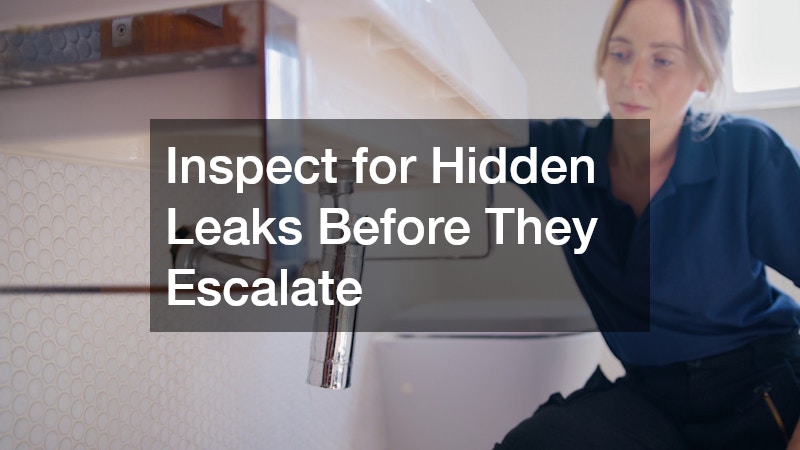
Hidden leaks are one of the most damaging issues a homeowner can face because they often develop silently behind walls, under floors, or even beneath your home’s foundation. Over time, these leaks can lead to structural damage, mold growth, and significantly higher water bills. The challenge is that many of these problems go unnoticed until visible damage appears. By learning how to spot early warning signs, homeowners can take action before the issue becomes severe. Regular inspections and awareness are key to catching leaks early. Even a small drip can waste gallons of water over time and weaken building materials.
Common Signs of Hidden Leaks
- Unexplained increases in your water bill
- Damp spots on floors, walls, or ceilings
- Musty odors indicating mold or mildew
- Reduced water pressure
DIY Leak Detection Tips
- Check your water meter before and after a two-hour period of no water use
- Add food coloring to toilet tanks to identify silent leaks
- Inspect under sinks and around appliances regularly
Foundation and Structural Concerns
Leaks beneath your home can lead to foundation damage, making slab leak repair a critical service when issues are detected. Ignoring these problems can result in cracks, uneven flooring, and long-term structural instability.
When to Bring in Experts
If you suspect a leak but cannot locate the source, it is best to rely on professional leak detection services. Experts use specialized tools to find hidden issues without causing unnecessary damage to your home. Acting quickly helps minimize repair costs and prevents further deterioration. Professional intervention ensures the problem is resolved thoroughly rather than temporarily patched.
Keep Your Drains Flowing Smoothly All Year
Maintaining clear and functional drains is essential for keeping your entire plumbing system running efficiently. Over time, everyday activities like cooking, showering, and cleaning can lead to buildup inside your pipes. Grease, soap residue, hair, and debris gradually accumulate and restrict water flow. Without regular maintenance, these minor blockages can turn into major clogs that disrupt your daily routine. Developing simple habits can significantly reduce the likelihood of drainage issues. Consistency is key when it comes to preventing buildup and maintaining proper flow.
Daily and Weekly Habits
- Avoid pouring grease or oil down kitchen drains
- Use drain strainers to catch hair and debris
- Run hot water after each use to keep pipes clear
Monthly Maintenance
- Flush drains with a mixture of baking soda and vinegar
- Rinse with hot water to break down the buildup
- Clean stoppers and strainers thoroughly
Warning Signs of Trouble
- Slow-draining sinks or tubs
- Gurgling noises in pipes
- Frequent clogs in the same fixture
When to Seek Professional Help
If routine maintenance does not resolve the issue, professional drain cleaning may be necessary to restore proper flow. Persistent clogs often indicate deeper problems within the system that require specialized tools. Affordable plumbers can provide thorough cleaning solutions without damaging your pipes.
Maintain Your Water Heater for Peak Efficiency
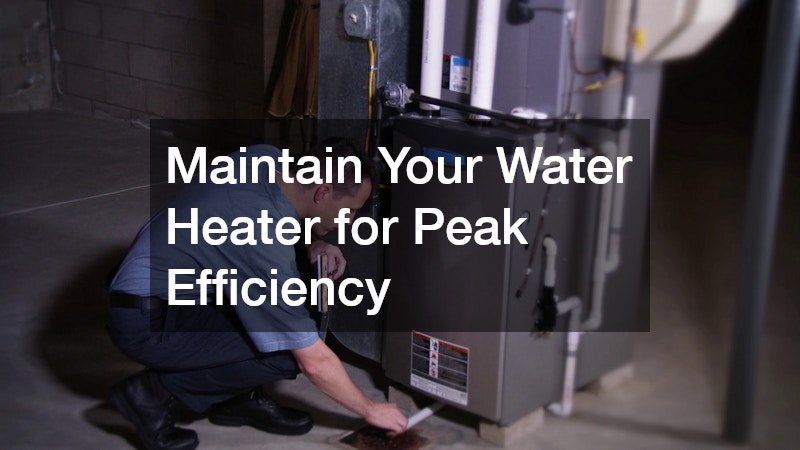
Your water heater is one of the most heavily used appliances in your home, providing hot water for everything from showers to cleaning. Because of its constant use, it requires regular maintenance to operate efficiently and reliably. Over time, sediment buildup can reduce efficiency and strain the system. Without proper care, this can lead to higher energy bills and premature failure. Routine maintenance not only improves performance but also extends the lifespan of the unit. Homeowners who stay proactive with upkeep often experience fewer disruptions and lower long-term costs.
Annual Maintenance Steps
- Flush the tank to remove sediment buildup
- Inspect the anode rod for corrosion
- Test the pressure relief valve
Temperature and Efficiency
- Keep the thermostat set to around 120°F
- Insulate the tank and exposed pipes
- Monitor energy usage for sudden increases
Signs of Wear and Tear
- Inconsistent water temperature
- Strange noises are coming from the tank
- Discolored or rusty water
When to Upgrade
When repairs become frequent or the system struggles to meet your household’s needs, it may be time to consider water heater replacements. A professional can assess whether repair or replacement is the better option based on the unit’s age and condition. Proper water heater installation ensures optimal performance and efficiency from the start.
Protect Your Pipes From Seasonal Damage
Pipes are constantly exposed to changing temperatures and environmental conditions, making them vulnerable to seasonal damage. Cold weather can cause water inside pipes to freeze and expand, leading to cracks or bursts. On the other hand, warmer months can bring increased water usage and pressure changes that strain the system. Without proper protection, these fluctuations can weaken pipes over time. Preventative measures are essential for maintaining the integrity of your plumbing system. Taking steps to safeguard your pipes can help you avoid unexpected emergencies. A little preparation goes a long way in protecting your home.
Preventing Frozen Pipes
- Insulate pipes in unheated areas like basements and garages
- Seal gaps and cracks that allow cold air inside
- Keep cabinet doors open to allow warm air circulation
Managing Water Pressure
- Install a pressure regulator if needed
- Monitor for sudden changes in flow
- Avoid excessive pressure that can strain pipes
Signs of Pipe Damage
- Unusual noises like banging or rattling
- Visible corrosion or leaks
- Reduced water flow
Professional Support
If you are unsure about the condition of your pipes, experienced plumbers can provide a thorough inspection. They can identify weak points and recommend necessary repairs or upgrades. Addressing issues early helps prevent costly damage and extends the lifespan of your system. Professional guidance ensures your pipes remain durable through every season.
Don’t Neglect Your Sewer System Health
Your sewer system plays a vital role in safely removing wastewater from your home, yet it is often overlooked until problems arise. Because most of the system is underground, issues can develop without obvious warning signs. Over time, debris, grease, and tree roots can create blockages or damage pipes. If left unaddressed, these problems can lead to backups and unpleasant odors. Regular maintenance and awareness are essential for keeping your sewer system functioning properly. Homeowners who take preventative measures can avoid costly and disruptive repairs. Understanding how your system works makes it easier to spot potential issues early.
Early Warning Signs
- Slow drains throughout the home
- Sewage odors indoors or outdoors
- Frequent backups or clogs
Preventative Measures
- Avoid flushing non-degradable items
- Keep tree roots away from sewer lines
- Schedule regular inspections
Modern Repair Solutions
Trenchless methods like sewer pipe lining service provide an efficient way to repair damaged lines without extensive digging. This approach minimizes disruption to your property while restoring functionality.
Routine Maintenance Tips
Regular inspections using camera technology can help identify problems before they escalate. Prompt repairs ensure your system continues to operate efficiently. Staying proactive with maintenance reduces the risk of major issues and extends the life of your sewer lines. Consistent care helps protect both your home and the surrounding environment.
Stay on Top of Septic System Maintenance
For homes that rely on a septic system, proper maintenance is essential for both functionality and environmental safety. Unlike municipal sewer systems, septic systems require regular attention to prevent buildup and overflow. When neglected, they can create unpleasant odors, slow drainage, and even health hazards. Understanding how your system works is the first step toward maintaining it effectively.
Recommended Maintenance Schedule
- Pump the tank every 3–5 years
- Inspect components annually
- Monitor usage to avoid overloading
Signs Your System Needs Attention
- Slow drains and backups
- Standing water near the drain field
- Strong odors around the property
Best Practices
- Limit water usage during peak times
- Avoid flushing harmful chemicals or non-biodegradable items
- Use septic-safe cleaning products
Keeping Your System Running Smoothly
Scheduling routine septic pumping is one of the most important steps in maintaining your system. Regular service prevents buildup and keeps everything functioning properly. Ignoring maintenance can lead to costly repairs and environmental risks. Staying proactive ensures your septic system remains efficient and reliable for years to come.

Upgrade Fixtures and Appliances for Efficiency
Upgrading your plumbing fixtures and appliances is one of the most effective ways to improve efficiency and reduce water usage. Older systems often consume more water and energy than necessary, leading to higher utility bills. Modern technology offers a wide range of solutions designed to conserve resources without sacrificing performance. Investing in upgrades can provide long-term savings and increased convenience. Homeowners who prioritize efficiency often see noticeable improvements in both cost and functionality. Even small changes can make a significant difference over time. Evaluating your current setup is the first step toward making smart upgrades.
Benefits of Upgrading
- Lower water bills
- Improved efficiency and performance
- Reduced environmental impact
Smart Upgrades to Consider
- Low-flow toilets and showerheads
- Energy-efficient dishwashers and washing machines
- Tankless or high-efficiency water heaters
Budget-Friendly Strategies
- Replace fixtures gradually
- Prioritize high-impact upgrades first
- Look for rebates or incentives
Making the Most of Your Investment
Working with affordable plumbers ensures your upgrades are installed correctly and function as intended. Professional installation helps prevent issues that could reduce efficiency. In some cases, water heater replacements can provide significant improvements in both performance and energy savings. Thoughtful upgrades enhance your home while reducing long-term costs.
Know When Professional Help Is the Best Solution
Even with regular maintenance, there are times when professional expertise is necessary to address plumbing issues effectively. Some problems require specialized tools, training, and experience to resolve safely. Attempting complex repairs without proper knowledge can lead to further damage and increased costs. Recognizing when to call for help is an important part of responsible homeownership. Professional services ensure that issues are handled correctly the first time.
Situations That Need Immediate Attention
- Burst pipes or major leaks
- Sewage backups
- No hot water or sudden system failure
Risks of Delaying Repairs
- Increased damage and repair costs
- Structural issues in your home
- Health hazards from mold or contamination
Choosing the Right Professional
- Verify licensing and insurance
- Read reviews and ask for references
- Request detailed estimates before work begins
Long-Term Benefits of Professional Support
Reliable plumbers can provide ongoing maintenance and expert guidance for your system. In cases of hidden issues, leak detection services ensure problems are identified and resolved quickly. Regular professional care reduces the likelihood of emergencies and extends the life of your plumbing system. Investing in expert support ultimately saves time, money, and stress.
Stay Consistent to Protect Your Home Year-Round
Maintaining your plumbing system throughout the year is all about consistency and awareness. By staying proactive, you can prevent minor issues from turning into major repairs. Regular inspections, simple maintenance habits, and timely upgrades all contribute to a more efficient and reliable system. While some tasks can be handled on your own, knowing when to bring in professional help is equally important. A well-maintained plumbing system not only improves daily comfort but also protects your home’s value. Taking these steps ensures your system continues to perform effectively in every season.