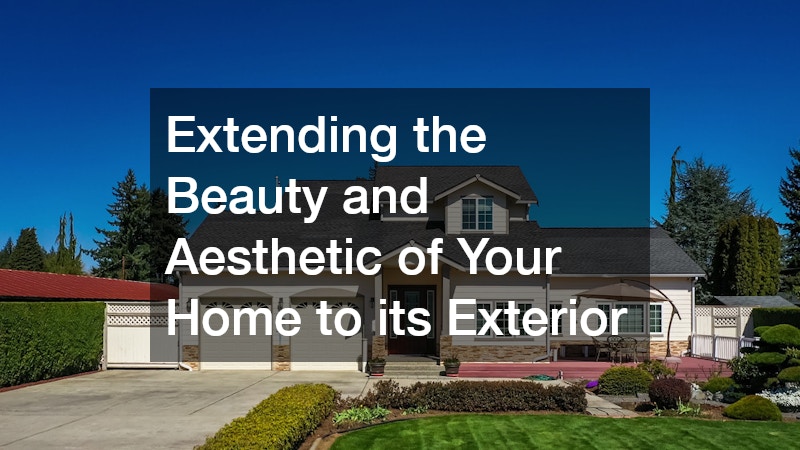
The measure of a home’s architectural success is its seamless transition from space to space. Many homeowners invest time and resources into perfecting their interiors, selecting paint, textiles, and cabinetry with precision. Yet, often this design narrative ends abruptly at the door. Isolating your exterior from the interior design is a common mistake, leading to a stark visual disconnect. Instead, view the entire property as a cohesive ecosystem. By applying interior design principles like spatial zoning, color theory, texture layering, and symmetrical balance to outdoor areas, you eliminate boundaries. Your yard becomes a series of sophisticated outdoor rooms, extending your home’s aesthetic for a unified living experience from curb to back fence.
Setting the Visual Framework: Grading and Groundwork

Before you can decorate a room inside your home, you must first ensure the walls are straight and the subfloor is level. The exact same principle applies to your exterior landscape. Sculpting the literal terrain of your property establishes the essential structural layout and visual boundaries that frame your entire home. When a yard has unmanaged slopes or erratic elevation changes, it feels chaotic and unusable. By intentionally grading the land, you create clean architectural lines and distinct, functional tiers that behave exactly like the floor plans of an open-concept home.
To transform a sloped or uneven yard into a structured masterpiece, consider the following structural strategies:
- Terracing for Functional Zones: Breaking up a steep hill into flat, stepped plateaus allows you to assign specific purposes to different levels. You can design a top tier for dining, a middle tier for a garden focal point, and a lower tier for a secluded fire pit.
- Creating Structural Backdrops: Retaining systems do more than hold back soil; they act as the structural “walls” of your outdoor rooms. When built with high-quality materials, they offer a clean, linear aesthetic that can highlight or mirror the stone or brick accents found on your home’s facade.
- Enhancing Spatial Depth: Introducing verticality through raised garden beds and sunken seating areas breaks up the monotony of a flat yard, immediately drawing the eye across the space and making the property feel significantly larger.
When taking on structural earthwork of this scale, partnering with professional retaining wall builders ensures that these vertical features are engineered correctly for drainage and longevity. Furthermore, a skilled hardscaping company can help you map out the entire footprint of your non-plant structural elements. This guarantees that your stone walls, steps, and structural foundations perfectly align with the architectural grid of your house, establishing a flawless foundation for the rest of your design.
Creating Structural Transitions: Decks, Porches, and Custom Woodwork
The physical transition from inside to outside should never feel like a leap into the unknown. Instead, it should feel like an invitation to keep walking. Decks, covered porches, and customized structural woodwork function as the primary architectural links between your indoor and outdoor lives. To make this transition feel completely seamless, the materials, lines, and craftsmanship utilized just outside the door must intentionally echo the design language spoken directly inside the door.
Extending your interior carpentry style outward requires an eye for detail and a commitment to material continuity:
- Mirroring Interior Flooring: Align your exterior decking boards so they run in the exact same direction as your interior hardwood floors. If you have light oak floors inside, consider a high-end composite or natural wood deck with similar neutral, warm undertones to blur the threshold.
- Applying Interior Architectural Details: Do not settle for basic, generic posts and beams on your porch. Work with exterior carpentry services to design custom pergolas, pavilions, or porch roofs that feature trim details, column profiles, and crown moldings that replicate the woodwork found in your indoor living or dining rooms.
- Designing Functional Built-Ins: Just as custom built-ins elevate an indoor den, integrated outdoor features add immense luxury. Incorporating custom wooden bench seating, hidden storage chests, or architectural privacy screens keeps the outdoor space looking tidy, purposeful, and highly tailored.
By utilizing professional patio builders, you can ensure that the transition platforms themselves—whether they are elevated wooden decks or ground-level stone structures—are physically integrated into the home’s layout. This keeps the outdoor living spaces perfectly proportional to your indoor square footage. When these transition zones are built with the same level of care as your indoor spaces, stepping outside ceases to feel like leaving your home and begins to feel like entering its most refreshing room.
Designing the Pathways and Social Zones
Once your structural platforms and grading are established, you must design the pathways that connect them. Inside your home, hallways and walkways dictate how naturally you move from the kitchen to the living room. Outdoors, your paths and patios perform the exact same job. The way you lay out these walkways determines the traffic flow and pacing of your property. If your pathways are narrow, cracked, or poorly mapped, the flow of your entire property breaks down.
To create an intuitive, elegant traffic flow through your outdoor spaces, implement these design practices:
- Establishing Generous Proportions: Outdoor walkways should be wide enough for two people to walk comfortably side-by-side, which typically means a minimum width of three to four feet. This generous spacing mirrors the open, welcoming feel of a spacious indoor foyer.
- Sourcing Complementary Material Textures: Select stone, brick, or interlocking pavers that share a color profile with your interior entryway tiles or kitchen flooring. If your interior favors sleek, minimalist large-format tiles, look for large, smooth architectural slabs for your outdoor paths.
- Framing with Visual Borders: Use contrasting stone or brick pavers along the edges of your walkways and social zones. This acts precisely like an indoor baseboard or a framed area rug, defining the perimeter of your walking spaces and giving the ground plane a highly polished, finished look.
Achieving this level of precision requires the expertise of a professional paving company capable of executing perfectly level, beautifully patterned ground surfaces that resist shifting over time. Concurrently, collaborating with landscaping contractors allows you to integrate soft, living elements immediately alongside your hard surfaces. Planting low-growing perennials, fragrant herbs, or delicate mosses along the borders of your new walkways softens the stone edges, creating an enchanting balance between structural permanence and organic beauty.
Merging the Indoors with the Outdoors: Light and Apertures
True continuity is achieved when you can experience the beauty of your exterior while sitting comfortably on your living room sofa. The windows and glass doors of your home are not just functional openings; they are the literal frames for your outdoor artwork. To truly merge your interior and exterior aesthetics, you must design your outdoor focal points with your indoor vantage points in mind. When you look through a window, what you see should feel like a perfectly composed painting that naturally extends the room you are currently standing in.
To optimize the connection between your indoor rooms and outdoor vistas, consider the following strategies:
- Aligning Visual Sightlines: Position your most striking outdoor elements—such as a beautiful structural plant, an elegant sculpture, or a glowing fire feature—directly in line with your primary indoor windows and glass doors so they can be enjoyed year-round.
- Dissolving Physical Barriers: Upgrading old, multi-pane windows or restrictive sliding doors to expansive, floor-to-ceiling glass systems or folding glass walls instantly dissolves the visual boundary of your home, making your interior feel twice as large.
- Harmonizing Frame Aesthetics: Ensure that the color and material of your window frames match both your interior decor and your outdoor elements. For example, modern black window frames create a dramatic, clean border that complements both interior minimalist furniture and exterior architectural hardscaping.
Investing in high-quality window replacements is often the single most impactful structural change a homeowner can make to unite their property. By expanding your home’s glass apertures, you maximize the influx of natural light, bring the shifting colors of the seasons directly into your interior design palette, and allow your carefully curated outdoor aesthetic to serve as the daily backdrop for your indoor life.
Curating the Living Elements: Flora, Scale, and Maintenance
No matter how beautiful your stonework or custom carpentry is, an outdoor space will always rely on its living elements to truly thrive. Plants, trees, and lawns are the upholstery, window treatments, and carpets of the outdoor world. They provide the color, texture, softness, and movement that hard structures simply cannot achieve alone. However, just like an over-furnished room, a completely overgrown or unkempt yard quickly becomes an eyesore that detracts from the architectural beauty of the home.
To curate a balanced, high-end living landscape, apply these interior styling rules to your horticulture:
- Layering Textures and Heights: Avoid planting in single, flat rows. Instead, layer your greenery by placing tall canopy elements in the back, medium-height structural shrubs in the middle, and soft groundcovers or bright florals in the front. This replicates the depth created by layering pillows, throws, and furniture textures in a master bedroom.
- Maintaining Crisp and Intentional Geometry: The shape of your lawn should look like a deliberate design choice, not an accident. Ensure your turf features perfectly straight or elegantly curved edges where it meets garden beds, creating clean lines that act like a beautiful, minimalist area rug.
- Managing Light and Proportion: Keep large vegetation properly scaled to your home. Trees that are allowed to grow wild can block precious natural light from entering your windows, obscure beautiful architectural features, and make your property feel dark, cramped, and neglected.
To keep these living elements in pristine condition, regular upkeep is essential. Engaging professional lawn care services ensures that your turf remains dense, vibrantly green, and perfectly edged throughout the growing seasons, providing that clean canvas your home deserves. Additionally, relying on expert tree services allows you to safely prune large canopies, manage structural growth, and perform canopy thinning. This intentional pruning opens up beautiful views, lets ambient sunlight pour back onto your property, and keeps your largest living assets healthy, safe, and perfectly proportioned to your home’s architecture.
Elevating Curb Appeal and Property Boundaries

While the backyard is often reserved for private relaxation and social gatherings, the front yard and the perimeter of your property dictate your home’s public identity. The boundary of your property is where your home’s aesthetic story begins. If your front entry points feel generic, welcoming visitors with cheap materials or uninspired designs, the illusion of a luxury, cohesive home is broken before guests ever reach the front door. Elevating your curb appeal means treating your property boundaries with the same level of sophistication that you would apply to an interior accent wall or formal entryway.
To design a commanding and elegant perimeter, focus on these critical entry details:
- Matching Architectural Eras: The style of your property boundaries should explicitly reflect the time period and design of your house. A mid-century modern home demands clean, horizontal lines and simple materials, whereas a historic or traditional estate beautifully accommodates intricate, classic metalwork.
- Creating a Sense of Arrival: Establish a distinct sense of transition at your driveway or main walking path. Flanking your main entrance with stone pillars, beautiful lanterns, or elegant structural landscaping signals to guests that they are entering a unique, curated environment.
- Coordinating Hardware and Finishes: Pay close attention to the metal finishes used along your perimeter. Make sure the color, texture, and sheen of your exterior metalwork match the light fixtures on your porch, your mailbox, and the handle on your front door for a completely unified look.
Integrating stunning ornamental gates into your property boundary design is one of the most effective ways to make a powerful, high-end statement. A custom-designed gate acts as a gorgeous piece of functional sculpture that instantly heightens the security, privacy, and perceived value of your estate. When your perimeter elements are carefully selected and beautifully installed, they provide an exquisite preview of the impeccable taste and design continuity that lies just beyond them.
Extending your home’s design into the outdoors maximizes your property’s enjoyment and value. Luxury is in the harmony across your estate. When retaining systems, custom woodwork, paths, lawns, and entryways align with your interior design, your home transforms spectacularly. Viewing your yard as a dynamic canvas unlocks your property’s potential. Partnering with professionals who understand structural integrity, material selection, and landscape maintenance ensures this vision is executed precisely. Treating interior and exterior design as equal enhances curb appeal and expands your living environment, providing a continuous sanctuary for enjoyment.